

Keynote Speaker (in 2026)
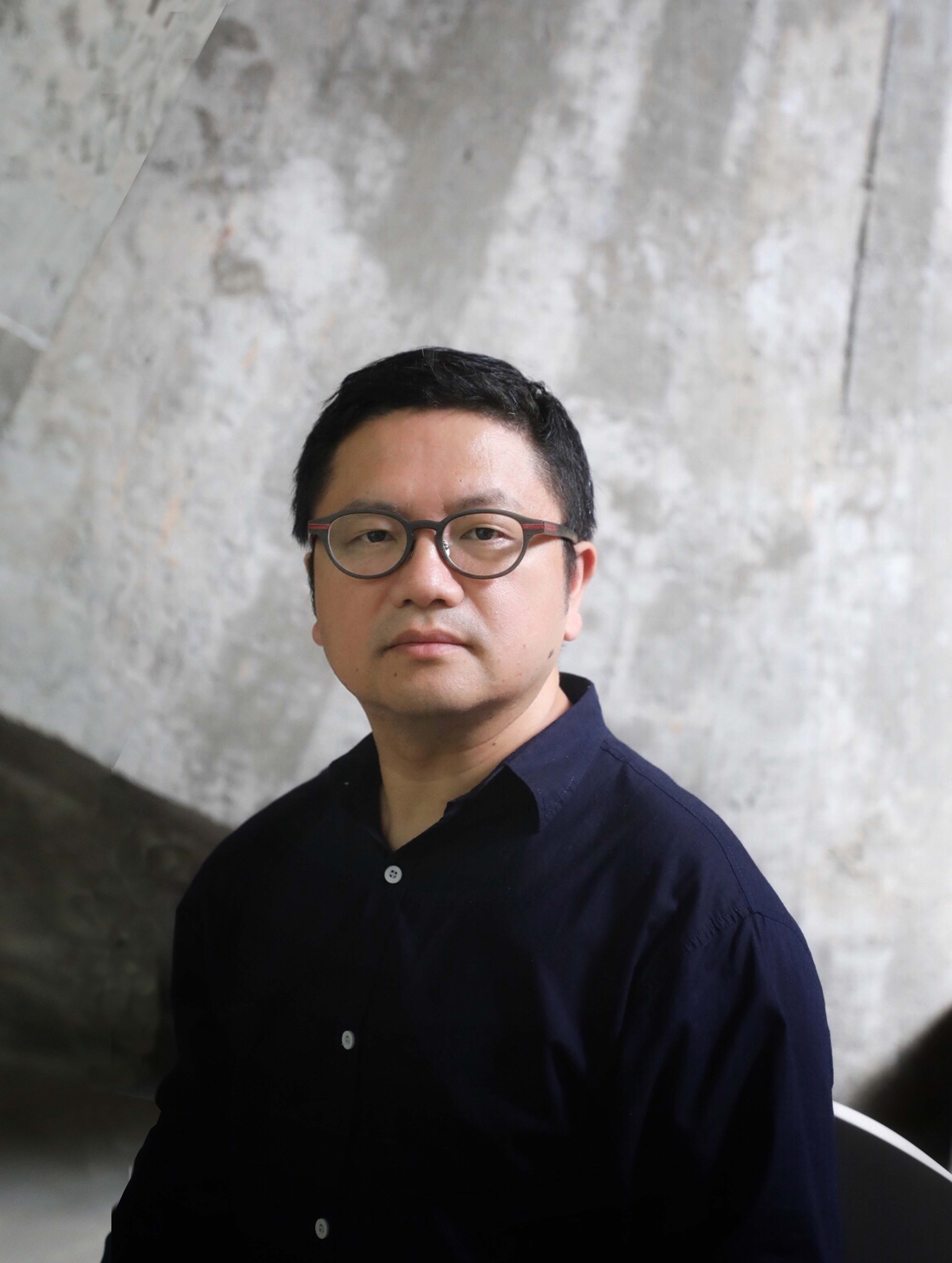
Prof. Philip F. Yuan
Tongji University, China
Philip F. Yuan is Dean of the College of Architecture and Urban Planning at Tongji University. He is Editor-in-Chief of Architectural Intelligence, Honorary Fellow of the American Institute of Architects (Hon. FAIA), and council member of the UIA-PPC. He has been a visiting professor at MIT and RMIT, and Thomas Jefferson Chair Professor at UVA. His awards include multiple provincial and ministerial Science and Technology Progress Awards, the UIA Auguste Perret Award, the ACADIA Academic Innovation Award, the AIA Honor Award for Architecture, UNESCO Asia-Pacific Awards for Cultural Heritage Conservation, the Asian Architectural Association’s Sustainability Special Award, and the RIBA Asia-Pacific AI Powered Design Award.
Topic: Performance-based Construction of Recycled Materials
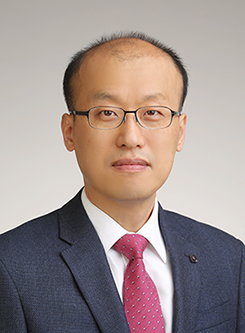
Prof. Cheol Soo Park
Seoul National University, South Korea
Professor Cheol Soo Park is a leading figure in the field of architectural engineering at Seoul National University. With a Ph.D. from Georgia Institute of Technology, his academic journey includes significant contributions through research, education, and numerous honors. Professor Park's career spans impactful positions and accolades, including serving as the 15th president of the Korean Society for Environmentally Friendly Building Facilities and being recognized as an IBPSA Fellow. His dedication to advancing architectural engineering is evident through his extensive publication record and the mentoring of students who have achieved prestigious awards under his guidance.
Prof. Yinping Zhang
Tsinghua University, China
Yinping Zhang, Ph.D., is a Professor at the Institute of Building Environment and Equipment Engineering, Tsinghua University, as well as the Director of the Beijing Key Laboratory for Indoor Air Quality Evaluation and Control and the Building Environment Testing Center at Tsinghua University. Dr. Zhang serves as the Chairman of the Chinese Society for Indoor Environment and Health, Executive Director of the Chinese Society for Environmental Sciences, and Vice Chairman of the Standardization Technical Committee on Building Environment and Energy Conservation under the Ministry of Housing and Urban-Rural Development. He is also the Chairman of the Technical Committee of the China Healthy Building Industry Technology Innovation Strategic Alliance, Vice Chairman of the Zero Energy Building Academic Committee of the Architectural Society of China, and a member of the Chinese Committees on Heat and Mass Transfer, HVAC, and Building Physics. Internationally, he is a Fellow of the International Academy of Indoor Air Sciences and serves as Associate Editor of Energy and Buildings, as well as an editorial board member for Indoor Air, Building and Environment, PLoS ONE, and key domestic journals such as Chinese Science Bulletin, HVAC, and Journal of Solar Energy. For his contributions, Dr. Zhang has received the National Science Fund for Distinguished Young Scholars and has been awarded two first-class and two third-class provincial and ministerial prizes.
Speech title: Exploration and Reflection on the Indoor Environment of "Quality Housing"
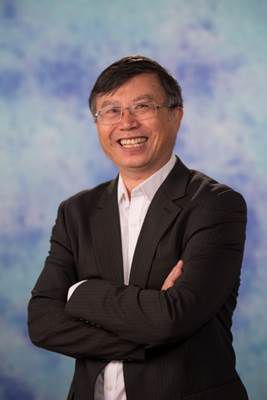
Prof. Yuguo Li
The University of Hong Kong, China
Yuguo Li graduated with a bachelor's degree in Power Mechanical Engineering from Shanghai Jiao Tong University in 1986 and obtained a master's degree in Thermodynamics from Tsinghua University in 1988. He was then sent to Sweden by Tsinghua University for further study, where he received a master's degree in 1990 and a Ph.D. in 1992 from the Royal Institute of Technology in Sweden. He is currently a Chair Professor of Building Environmental Engineering at the Department of Mechanical Engineering at the University of Hong Kong, an Honorary Professor at the School of Public Health, and Associate Dean of the Faculty of Engineering. He has previously served as the Head of the Department of Mechanical Engineering and as the Chair of the Senior Member Organization of the International Society of Indoor Air Quality and Climate (ISIAQ). He is a Fellow of the American Society of Heating, Refrigerating and Air-Conditioning Engineers (ASHRAE), the International Society of Indoor Air Quality and Climate (ISIAQ), the Hong Kong Institution of Engineers (HKIE), and the Institution of Mechanical Engineers (IMechE) in the UK. Professor Li is currently the Vice Chair of the Indoor Air Quality and Health Branch of China’s Indoor Environmental and Health Association and a council member of the Chinese Society of Environmental Sciences, the Chinese Society of Mechanical Engineering, and the Chinese Society of Heating, Ventilation, and Air Conditioning. He is also a member of the WHO COVID-19 Environmental and Engineering Control Expert Advisory Panel (ECAP). His research interests focus on indoor air quality, urban ventilation, urban heat phenomena, infectious disease engineering control, and natural ventilation. He was the lead author of the ventilation section of the 2007 WHO guidelines for the control of infectious diseases and the 2009 WHO guidelines for natural ventilation in infectious disease wards.
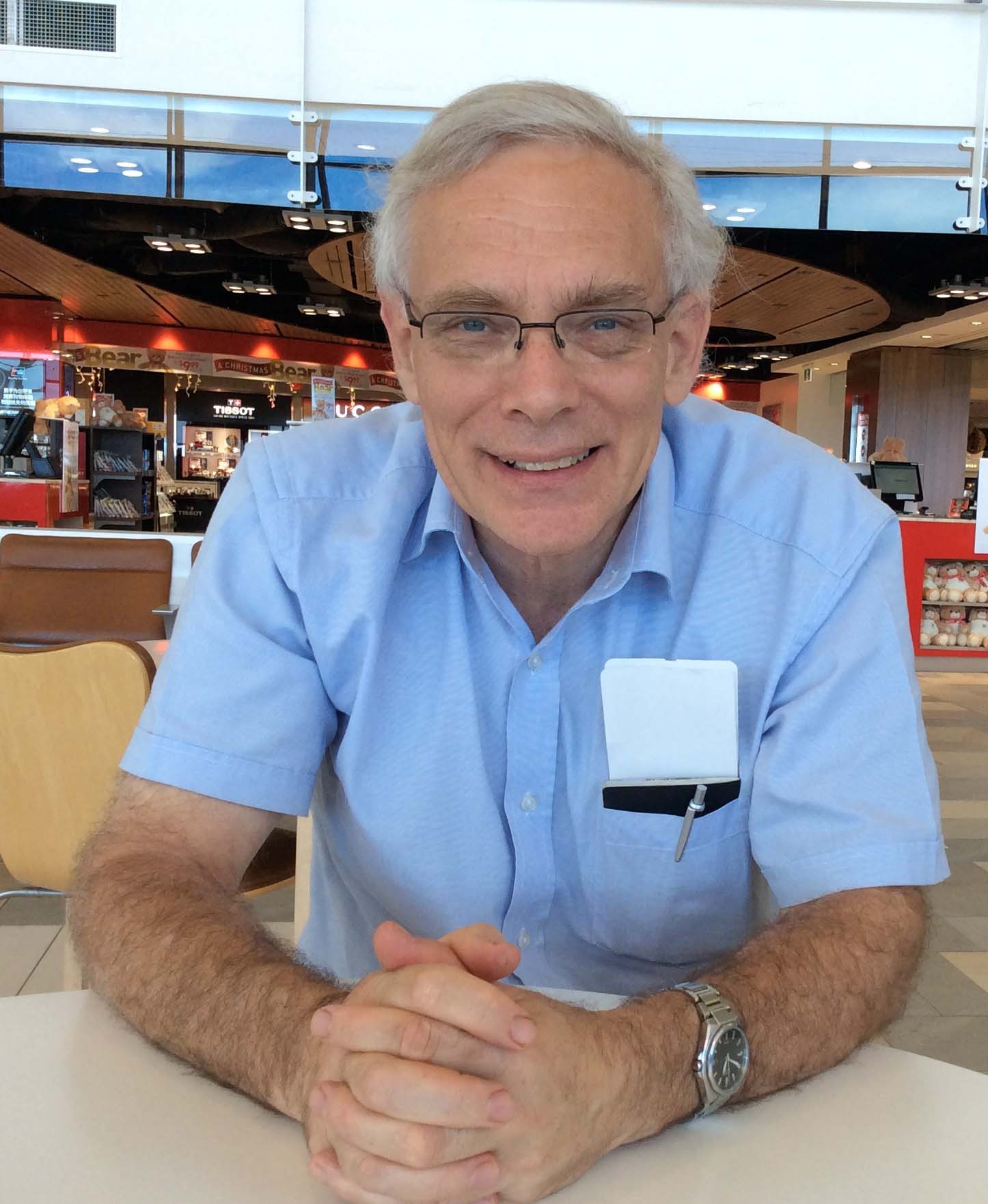
Prof. R J Haynes
The University of Queensland, Australia
Professor Richard Haynes works at the University of Queensland as a soil and environmental scientist. He has extensive experience having worked as both an applied research scientist and as a university professor in New Zealand, South Africa and Australia. Richard has published over 200 original research papers in international journals, over 25 review papers in international volumes as well as many conference and extension papers and contract reports. He has been an invited keynote speaker at many international conferences and has served on the editorial board of 4 international research journals.
Over the past 20 years Prof Haynes has worked on research in the broad area of environmental science. He has worked mainly on the use and recycling of industrial, agricultural and municipal wastes and minimising their effects on the environment. This includes revegetation of bauxite processing waste areas (around alumina refineries), fly ash dumps (around coal-fired power stations), the use of waste materials as adsorbents, and media for constructed wetlands, to remove heavy metals from wastewater streams, production of manufactured soils using municipal green waste as a base material and land application of dairy factory waste and meat processing factory waste to soils. In recent times he has been working on a project with Emirates Global Aluminium on the technology of making a manufactured soil product from bauxite processing waste.
Speech Titile: Converting Bauxite Processing Waste into Manufactured Soil -An Exercise in Waste Management and Environmental Protection
Abstract: Bauxite residue is produced in large amounts as a waste product from alumina refineries. It is alkaline and saline-sodic and is normally stockpiled in storage/disposal areas close to the refinery. Indeed, after over 50 years of research and hundreds of patents and publications, global use of residue is estimated to be only 2-3%. A possible bulk use for the residue is in the production of engineered soil for use in landscaping. A project was initiated in association with Emirates Global Aluminium to produce engineered soil from bauxite residue produced at the Al Taweelah reifinery in the UAE. The residue was first acidified and then leached to remove excess salts. Green waste compost was added at a rate of 10% w/w and the product was then dried, crushed and sieved and the chemical, physical and microbial properties of the materials characterized. The procedure resulted in a product with an ECwater of about 1 mS cm-1, a pHwater of about 7.9 and an ESP of 35-45%. Over time the exchangeable Na concentration and ESP declined further as Na was released from Na-containing minerals (e.g. sodalite) and was then removed by leaching and/or plant uptake. The addition of compost during Turba manufacture resulted in an increase in total and soluble organic C and production of a large active soil microbial community. The TCLP-leaching proceedure showed that extractable metal concentrations were an order of magnitude below allowable limits and the material can be considered as a non-hazardous substance. Extensive greenhouse experiments have been carried out which have shown grass yields are consistently greater in Turba than dune sand (the major growth medium in the UAE). A pilot plant is presently being built in the Abu Dhabi so the material can field-tested under UAE conditions